
-


We are a Multifaceted
Community-based
Mental Health AgencyYou have a say in feeling better.
We are a center for personalized care. -

-


Medical Case Management & Housing Program
Supporting those affected by HIV/AIDS and promoting community awareness of the issues surrounding HIV/AIDS.
-

-


Improving the health of all people in our community
LEARN MOREWe do that with honesty, respect, and dignity for our clients, visitors, and staff. We do that through expert and compassionate care, education, community partnerships, fostering innovation, and by inspiring hope in all we touch. We do that by being good stewards of our resources and providing efficient and cost effective care for all.
Changing Lives and Empowering People Throughout the Pioneer Valley Since 1953
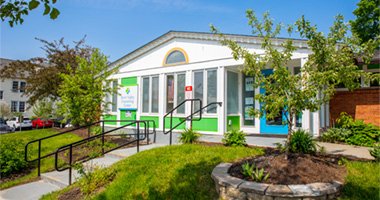
RVCC Services & Programs
River Valley Counseling Center (RVCC) is a multi-service community-based mental health agency serving the Pioneer Valley. As a licensed mental health clinic, we offer a range of traditional and non-traditional outpatient services to adults and children at several locations in Holyoke, Chicopee, Easthampton, Springfield, and Westfield, MA.
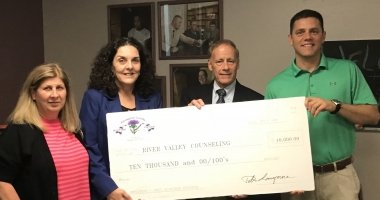
Give Now to RVCC
You can help River Valley Counseling Center (RVCC) to bring hope to those who need it most. As a nonprofit, we depend on support from people like you so we can continue to provide compassionate, respectful, community-based care and rehabilitative services for children, individuals, couples and families.
RVCC Careers
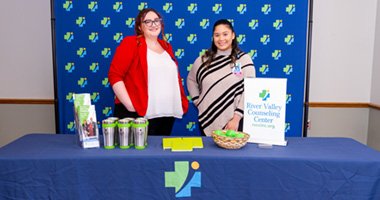
Join Our Team! River Valley Counseling Center (RVCC) dedicated to hiring the most qualified candidates without regard to race, creed, color, national origin, sex, sexual orientation, age, religion, physical or mental handicap, marital, military, veteran’s status, or any other classification protected by applicable law.